

Anxiety can quietly infiltrate daily routines, making even simple tasks feel overwhelming. If left unmanaged, it may escalate into sudden panic attacks—intense episodes of fear that arise without warning. As awareness grows about these conditions, a range of practical strategies is now available for those seeking relief. Mastering effective ways to control symptoms offers genuine hope and direction to anyone struggling with anxiety or prone to panic episodes.
Understanding anxiety and panic attacks
Anxiety goes beyond fleeting worry; it is a persistent feeling of apprehension, often triggered by everyday pressures or specific situations. Recognizing the various forms of anxiety helps in identifying appropriate management techniques. In contrast, panic attacks are acute responses—brief surges of terror accompanied by physical symptoms like a racing heart, sweating, and dizziness.
Have you seen this : Crafting the Perfect Diabetes Meal Plan: Your Comprehensive Guide to Balanced Nutrition
The distinction between ongoing anxiety and sudden panic matters. Understanding this difference allows for more targeted interventions. While chronic anxiety responds well to preventative measures, panic attacks require rapid-response strategies that can be deployed in the moment.
Recognizing early warning signs
Spotting the early signals of anxiety enables proactive management. Early signs include difficulty concentrating, disrupted sleep, irritability, and muscle tension. Physical manifestations such as headaches, stomach aches, or a pounding heart often emerge when stress levels rise. For a structured approach, you might find an Anxiety Checklist helpful in monitoring your symptoms and patterns over time.
In parallel : Unlock Your Fitness Potential: Discover the Perks of Adding Functional Training to Your Workout Regimen
Regular self-check-ins help monitor changes in mood or bodily sensations. This increased awareness encourages timely use of techniques designed to ease mounting distress, reducing the likelihood of experiencing a panic attack.
Building resilience through healthy habits
Developing healthier lifestyle habits creates a strong foundation for managing anxiety. Good nutrition, consistent physical activity, and mindful routines have been shown to support emotional stability. A balanced approach nurtures both mind and body, fostering lasting calmness.
- Healthy diet and nutrition: Emphasize whole grains, lean proteins, fruits, and vegetables while minimizing processed foods and refined sugars.
- Avoiding alcohol and drugs: These substances may seem to offer short-term relief but often worsen anxiety over time.
- Exercise and physical activity: Activities like brisk walking, swimming, or cycling release endorphins that elevate mood and decrease tension.
Committing to these practices enhances overall well-being, equipping individuals with greater reserves of resilience against future stressors.
Even small adjustments—such as drinking more water, taking regular movement breaks, or limiting caffeine intake—can bring noticeable improvements over time.
Core anxiety management techniques
Direct approaches serve two key purposes: soothing immediate symptoms and building longer-term coping skills. Combining several methods increases their effectiveness and ensures adaptability as circumstances change.
Breathing exercises and muscle relaxation techniques
Breathing exercises help anchor people during anxious moments. Slow, deep breaths activate the body’s natural relaxation response and counteract fight-or-flight instincts. One helpful method involves inhaling for four counts, holding for four, then exhaling for six. Practicing regularly makes this technique more accessible during periods of high stress.
Muscle relaxation techniques address built-up physical tension. Progressive muscle relaxation starts at the feet and moves upward, gently tensing each muscle group for a few seconds before releasing. Pairing this method with steady breathing can significantly reduce anxiety levels.
Meditation, mindfulness, and grounding techniques
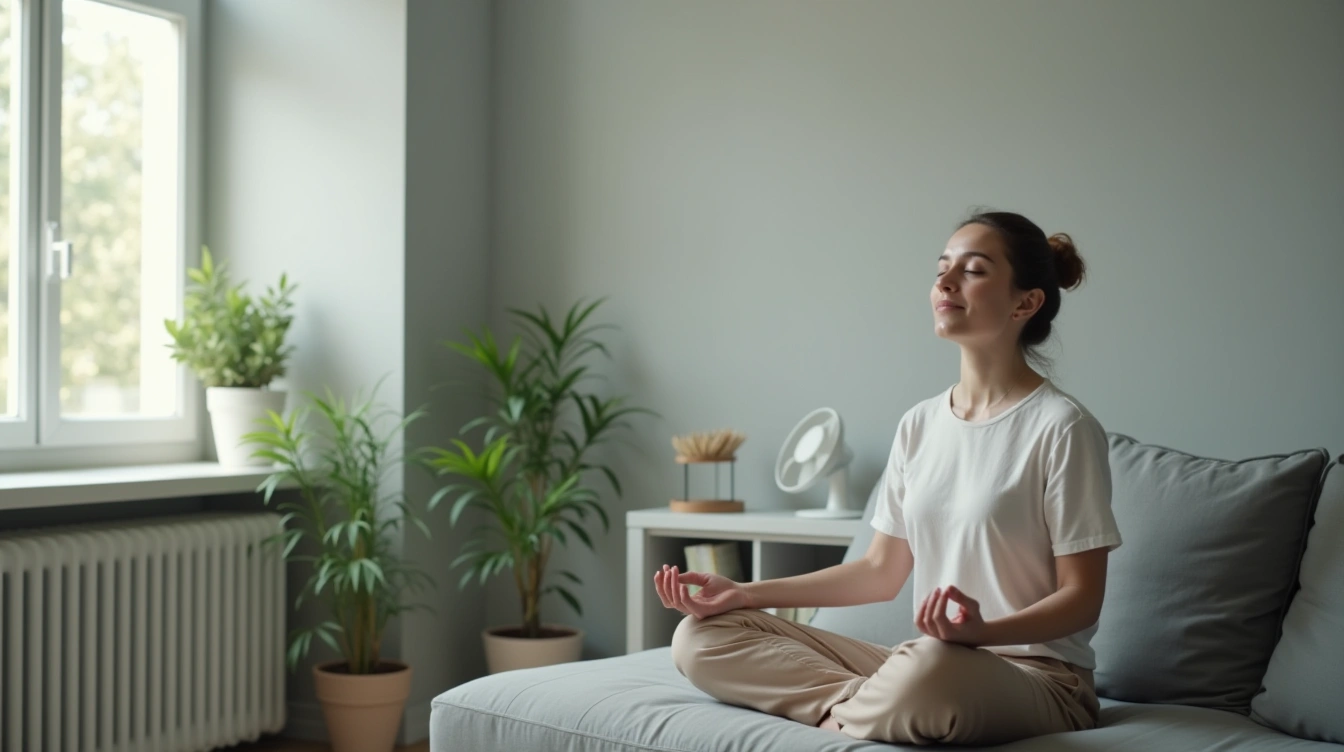
Meditation provides structured mental space, fostering stillness and perspective. Even five minutes each morning can lower reactivity to stress. Mindfulness encourages focusing on the present rather than dwelling on regrets or worries. Paying attention to tangible experiences—like the scent of fresh air or the feel of different textures—interrupts spiraling thoughts.
Grounding techniques act as anchors during rising panic. Examples include naming colors and objects in your environment or running cool water over your hands to shift focus from internal chaos to external reality. Some people find reciting affirmations or counting backward by sevens helpful, as these activities disrupt automatic cycles of anxiety.
Identifying triggers and customizing prevention plans
Identifying personal triggers allows for the creation of tailored prevention strategies. Common triggers include work deadlines, social events, or even certain sounds and smells linked to stressful memories. Keeping a journal after episodes of anxiety can reveal patterns related to timing, location, or the presence of specific people. This insight leads to more focused management efforts.
With clear triggers identified, individuals can prepare coping strategies in advance or gradually desensitize themselves to sources of discomfort through safe, controlled exposure. Adjusting routines based on trigger awareness can result in fewer surprise attacks and increased confidence in handling daily challenges.
Utilizing self-help resources and supportive networks
A wide array of self-help resources is available, including books, podcasts, and mobile apps that guide users through breathing exercises or mindfulness sessions. Establishing reliable routines supports steady progress. Many local organizations also offer support groups where sharing experiences fosters solidarity and hope.
Creating a network of trusted contacts is equally important. Open conversations about anxiety reduce feelings of isolation, while collaborative problem-solving uncovers new perspectives for managing symptoms effectively.
- Self-help resources: Apps, books, online communities, and workbooks that teach new skills and track progress.
- Peer or professional support: Group therapy, counseling, or simply talking with a friend to encourage and motivate.
Frequently asked questions about managing anxiety and preventing panic attacks
Which breathing exercises are most effective for anxiety reduction?
- 🌬️ Box breathing (inhale-hold-exhale four counts each)
- 🧘 Diaphragmatic breathing (breathing deeply into the belly)
- ⏳ 4-7-8 technique (inhale for 4, hold for 7, exhale for 8 counts)
Each method draws attention to the breath, slows the heart rate, and helps counteract the rapid, shallow breathing linked to anxiety.
How do grounding techniques prevent panic attacks?
Grounding redirects focus from anxious thoughts to the surrounding environment using the senses. Engaging sight, sound, touch, smell, and taste interrupts negative thought loops.
- 🔴 Noticing and describing five nearby objects in detail
- 🎵 Listening closely to music or ambient sounds
- 💧 Squeezing a stress ball or splashing cold water on the face
Are exercise and physical activity helpful for severe anxiety?
Regular exercise plays a crucial role in balancing mood hormones and easing chronic tension associated with anxiety. Even moderate activities provide protective benefits against severe episodes.
| 🏄 Activity | 🚀 Benefit |
|---|---|
| Walking | Releases endorphins and clears the mind |
| Yoga | Combines stretching with mindfulness techniques |
| Swimming | Offers rhythmic movements for full-body relaxation |
What self-help resources are available for managing recurring anxiety?
- 📖 Guided workbooks and journals for tracking progress
- 📱 Mobile apps teaching meditation, muscle relaxation techniques, and deep breathing
- 🌐 Online anxiety support communities offering advice and encouragement
Using several resources together can strengthen skill-building and reinforce positive habits over time.